You’ve Had the Conversation. Now What?
March 19th, 2026
“I’ve been talking with them about the dangers of underage gambling for years. I thought we had fully covered this.”
And that’s the thing. We always hope we have.
I remember when my friend and I had this conversation. They had just told me they’d found an app that allowed their teenager to gamble hidden inside a folder of productivity tools. Harmless curiosity, maybe. Or maybe not.
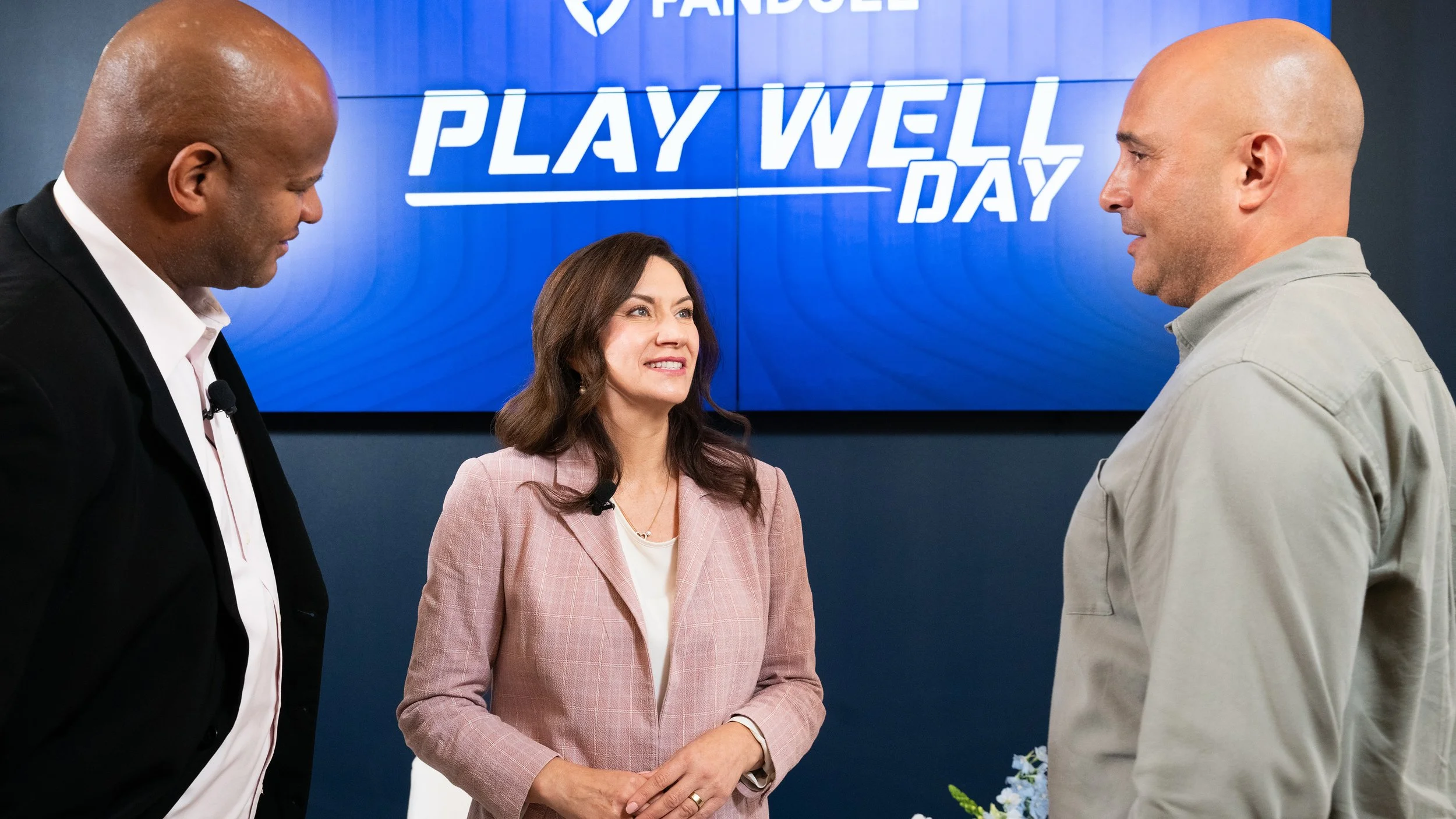
As Amy Howe, CEO of FanDuel, highlights in her post Starting Difficult Conversations About Underage Gambling Prevention, having those uncomfortable conversations is the first line of defense in keeping your teen safe from underage gambling. And let’s be clear, if you’ve had a conversation—one where you talk frankly about the potential harms of underage gambling—then you’re already doing more than most. That first conversation is crucial. It plants the seed.
But what happens if you ask them if they’ve gambled and they say, “Yeah, I tried it”?
What if you find evidence, and they won’t admit it?
What if they’ve started to show signs of a problem with gambling—and now you don’t know what to do?
Let’s talk about that.
Why underage gambling is always a problem
When an underage person gambles, it’s not “just experimenting.” It’s illegal.
Whether it’s a one-time thing or a regular habit, the risk is real. Research shows that teenagers who gamble are three times more likely to develop a gambling problem later in life than those who start gambling as adults.
And here’s the other hard truth: a young person's gambling isn’t just their problem. It’s your problem, too. As a parent or coach, you’re in a powerful position. Remember, you might be inadvertently encouraging or enabling your teen by giving them access to money, modeling risky gambling behavior (and passing it off as harmless fun), or worse still, allowing underage gambling through your account.
This practice, also known as proxy betting, is illegal, full stop. It circumvents regulatory safeguards designed to protect consumers and allows individuals who are prohibited from betting to access platforms. This includes people who have self-excluded, aren’t in a location where gambling is legal, and of course, individuals who are under the legal age.
Proxy betting can be done behind the adult’s back, or with their consent. Regardless of the details, if your teen is using your account or personal information to gamble, you are legally responsible.
If you’re feeling unsure, you’re not alone
I wrote my book Assist: How to Help a Loved One with a Gambling Problem Without Losing Yourselfbecause I’ve been in the supporter’s seat. It’s tough. On a personal note - “Supporter” is the term I like to use to refer to the person helping a person with a gambling problem. Elsewhere, supporters may be referred to as “affected others” or “concerned significant others.”
For supporters, emotions are tangled. The path forward isn’t always clear. When my husband, Randy Livingston, a former NBA player and now Elite Youth Basketball League coach, was struggling with a gambling addiction, I felt lost, overwhelmed, and helpless. I didn’t know what to do, but I knew I had to do something.
Yes, it was messy at times, and I didn’t have a book to help guide me. (That’s why I wrote one.) But I realized that I didn’t have to do it perfectly to make a start.
Our situation was different because Randy was already an adult when I met him. He had the autonomy to decide if he wanted to address his gambling addiction or not. I knew I could not force him to make that choice. He had to decide for himself. And he did. Randy saw a sign for the National Problem Gambling Helpline, called the number, and registered for an in-house treatment center. He's been sober from gambling for almost 9 years now.
Randy started gambling as a teen, while he was rapidly rising in the national ranks of youth basketball stardom. McDonald’s All-American? Check. Article in Sports Illustrated? Check. Featured on Primetime Live? Check. Number One Ranked Player in America? Check. The world was his oyster. Imagine if a trusted voice had been there to guide him and dissuade him from gambling at such a young age.
The fact that you are here, reading this post, means that you care. Being curious and getting educated yourself means you’re already showing up in a big way. So if you’ve just discovered that a young person in your life is gambling, don’t panic. Take one steady step forward. Talk to someone. Make a plan. Get help if you need it.
The earlier we act, the better the outcome—for them and for you.
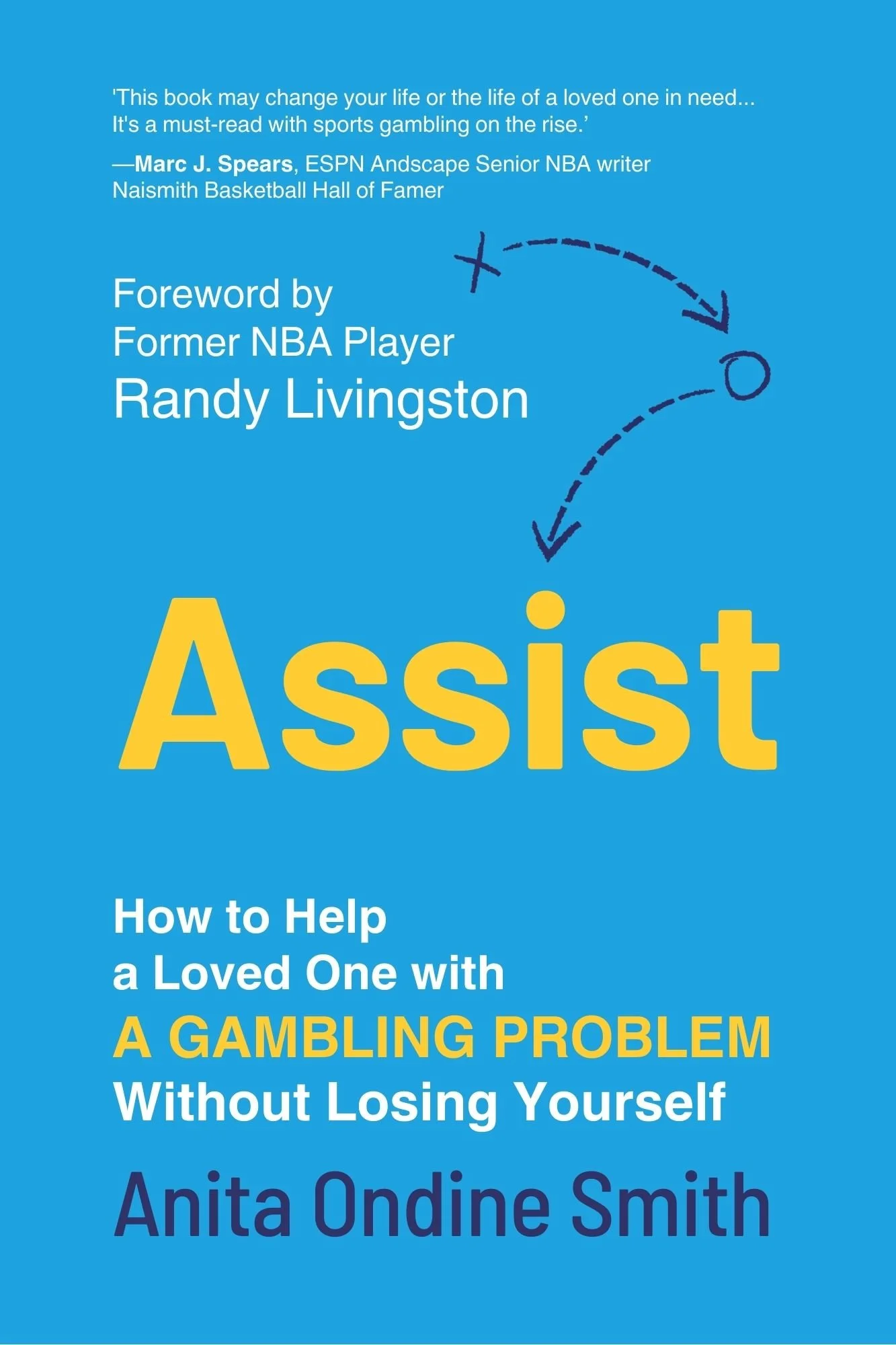
My book, Assist, is now available on Amazon. It’s written for supporters like you. You can order or learn more here.
Additional resources are available through the National Council on Problem Gambling, which provides information and links to recovery services, including help for underage gamblers, through their Hotline: 1-800-522-4700.
Let’s keep the conversation going.