
Bonding Without Betting: What Parents and Coaches Can Do Instead—and What to Say
August 6th, 2026
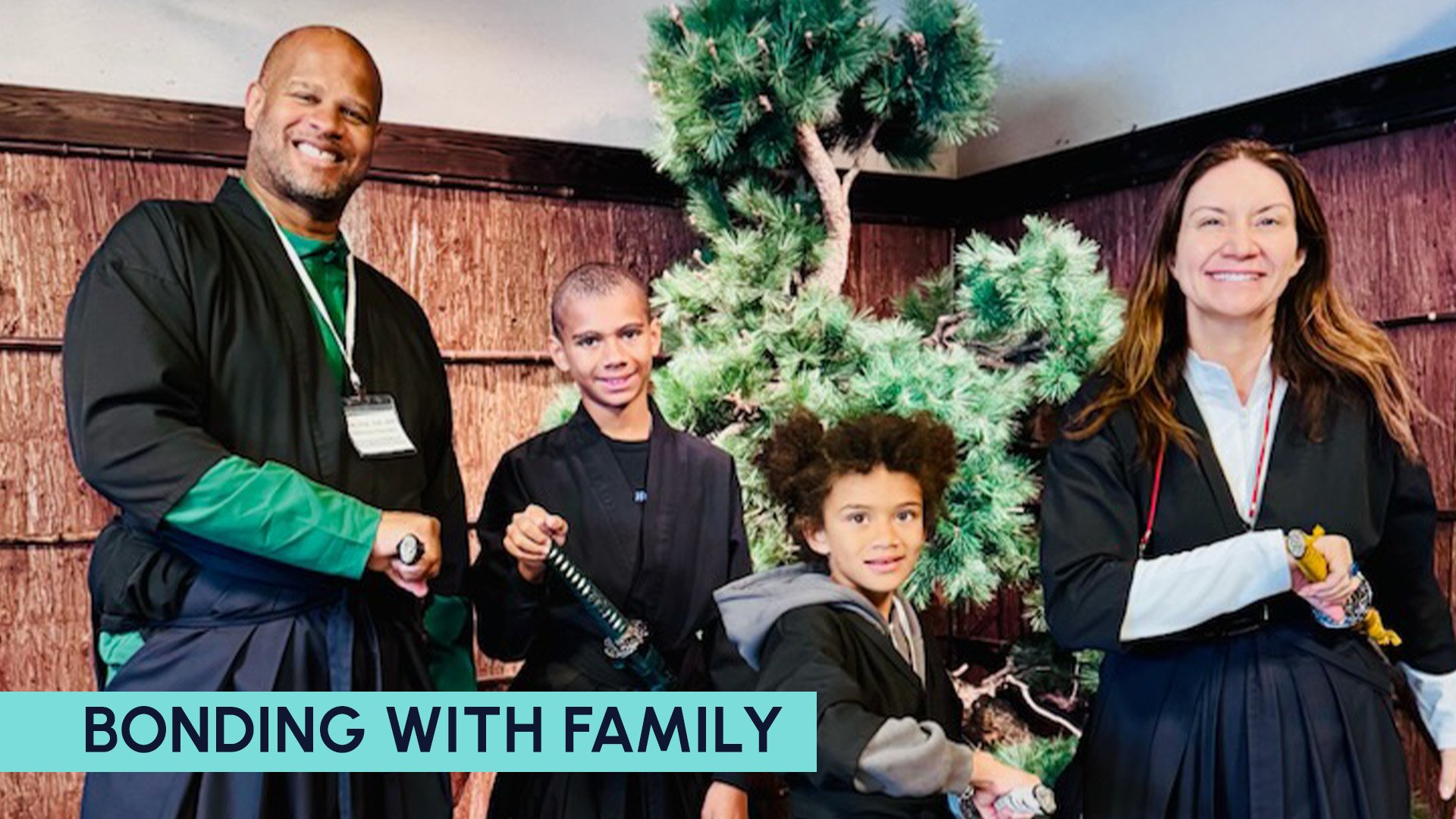
As both parents and coaches, we understand that sometimes family or team activities can involve gambling, either formally or informally.
For many parents and coaches, gambling doesn’t start as an informed conversation about risks.
It starts as a ritual.
Parents might let their kids pick numbers for the weekly lottery draw. A grandparent might give their grandchild a scratch-off ticket each year for their birthday. A youth coach might talk about their parlay with other coaches in front of their players, or a make “small bet” tied to a game.
These are all examples of introducing gambling to a young person “just for fun.”
These seemingly innocuous moments are often framed as bonding. Shared excitement. Something to talk about together.
But research consistently shows that the earlier young people are introduced to gambling as a positive, social activity, the greater their risk of gambling harm later in life. When trusted adults normalize gambling—even casually—young people learn that betting is a legitimate way to connect, celebrate, relax, or belong.
What young people are responding to isn’t gambling. They’re responding to excitement, attention, challenge, calm, and shared experience. Meanwhile, their perception of risk, reward, and the highs and lows associated with gambling are being affected.
Below are practical alternatives—organized by why gambling tends to show up—and simple language suggestions parents and coaches can use to replace gambling-based activities without losing connection.
1. When Gambling Is About Excitement and Adrenaline
“It makes things more fun.”
Some families and teams use betting to add stakes or intensity to otherwise passive activities.
Try this instead:
Go rock climbing, skating, surfing, or mountain biking
Take dance classes, martial arts, or movement workshops
Get involved in local skill challenges or mini competitions
Try a paintball experience
Complete an obstacle course
Take a short trip or hike together
-
“The challenge is experiencing it—not betting on it.”
“Let’s keep the excitement in the activity, not on who wins.” n text goes here
2. When Gambling Is About Relaxing Together
“It’s just something we do while winding down.”
For some families, betting rituals are calm and familiar rather than high stakes.
Try this instead:
Go fishing
Take long walks, especially in nature
Sign up for painting, pottery, or creative classes
Try cooking or baking a new recipe together
Complete a gardening project
Work on puzzles, LEGO, or shared projects together
-
“Let’s make this our chill-out time.”
“We don’t need bets to relax—being together is enough.”
3. When Gambling Is About Thinking, Stats, and Strategy
“They like analyzing games and odds.”
This often appeals to teens who enjoy patterns, numbers, and predictions.
Try this instead:
Learn how to play chess
Try a new strategy board game
Review historical player stats and trivia questions
Learn a language together
Join a coding, robotics, or problem-solving club
Analyze sport tactics, rules, or player performance—without odds
-
“Understanding sport can make you better at it—no betting needed.”
“We can talk about the game strategy without talking about the odds.”
4. When Gambling Is About Belonging and Shared Culture
“It’s just something we all do.”
This is where gambling can quietly become normalised—especially in sporting environments.
Try this instead:
Try non-monetary prediction games (points, privileges, or bragging rights only)
Start team or family challenges with shared rewards (meals, activities, experiences)
Weekly traditions that don’t revolve around winning or losing money
Switch to recognition rituals that celebrate effort, growth, or teamwork
-
“On this team / in this family, belonging doesn’t mean having a stake.”
“We celebrate showing up and taking part.”
5. When Gambling Is Used as a Reward
“It’s just a treat.”
Scratch-offs, raffle tickets, or small bets are sometimes framed as harmless incentives—but they teach young people that gambling equals reward.
Try this instead:
Experience-based rewards (choosing the activity, planning the day)
Skill-based rewards (progress milestones, leadership roles)
Shared purchases (equipment, art supplies, books)
-
“Your reward is an experience, not a risk.”
“We earn memories—not tickets.”
A Simple Script for Parents and Coaches
If you’re worried about resistance, this explanation works in almost any setting:
“We’re not going to involve any gambling — there are better ways to connect, celebrate, and have fun together. This feels like the healthier option.”
No lectures. No judgment. Just leave it at that.
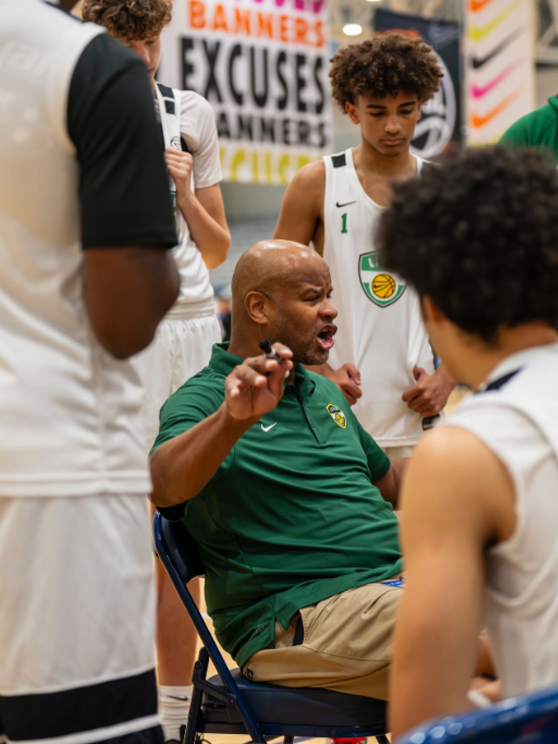
Here is Anita with additional information on this topic
Final Reflections
Young people don’t just learn from rules. They learn from what we model. It’s our job to help them learn that excitement, calm, and belonging don’t come with a price tag. The first challenge might be for us as parents and coaches to become comfortable choosing healthier traditions—even if they look different from what we grew up with.
When parents and coaches replace gambling-based bonding with meaningful alternatives, young people learn that:
Excitement doesn’t require money
Relaxation doesn’t require a ticket
Belonging isn’t about having a stake
Those lessons last far longer than any win or loss. And that’s a powerful legacy to pass on.